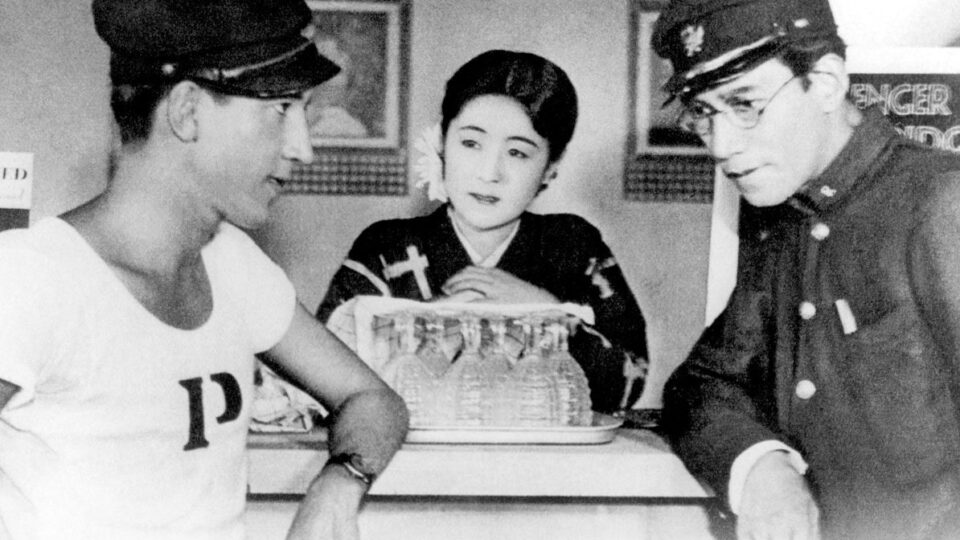
This piece was written by Martha Redfern, one of the Slapstick Festival 2026 Roaming Reporters – a talent development scheme in partnership with BFI Film Academy South West.
“Are we still friends?”: the poignant intertitle shown towards the end of ‘Where Now are the Dreams of Youth?’. This simple and innocent remark at first sparked laughter from the audience, but after speaking with people after the film, many discussed how this was, in fact, a poignant moment that seemed to encapsulate the tumultuous transition between youth and adulthood in such a raw and genuine way.
‘Where Now are the Dreams of Youth?’ is Yasujirō Ozu’s 1932 film that follows Tetsuo Horino: a struggling student who inherits his father’s business and cheats the system to hire his school friends, leading to an unexpected shift in their friendship as they navigate this new professional, adult dynamic. This film was shown on day 4 of Slapstick Festival 2026 and received overwhelmingly positive reactions from audience members who appreciated its simple, relatable, and character-driven story.
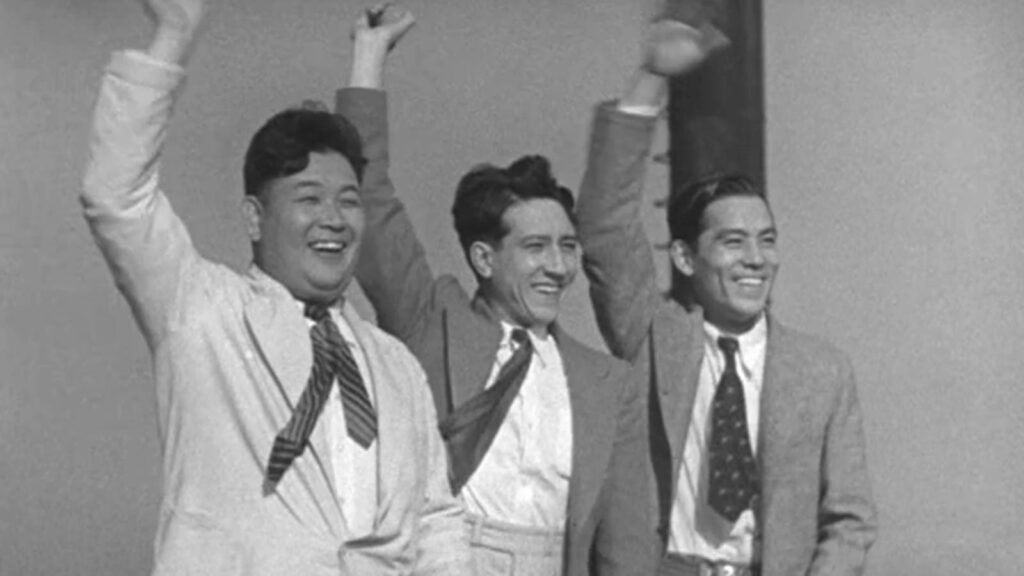
The start of this film reflected Ozu’s typical comedic style with many slapstick moments, most notably the economics exam scene, where we see a variety of elaborate cheating methods utilised by the students and their hilarious attempts to disguise them from the teacher. As the film progresses, we see a shift into drama with the tragic death of Tetsuo’s father and the deeper exploration of the changing relationships between him and his friends.
This reflects the wider change in Ozu’s work as his films moved from comedy towards drama throughout the 1930s. His earlier films like ‘I Flunked But…’ (1930) and ‘Days of Youth’ (1929) are short silent comedies, often portraying a satirical image of youth. Their humour is rooted deeply in slapstick, with gags forming from choreographed movement and moments of ignorance. However, as his work developed, Ozu leaned towards drama, going on to contribute greatly to shomin-geki cinema: a Japanese realist subgenre exploring the daily life of ordinary, middle-class people. ‘Where Now are the Dreams of Youth?’ acts as a beautiful snapshot of the start of this change in Ozu’s work, combining hilarious moments of physical comedy and satirical gags with reflections on the lives and growth of students and workers.
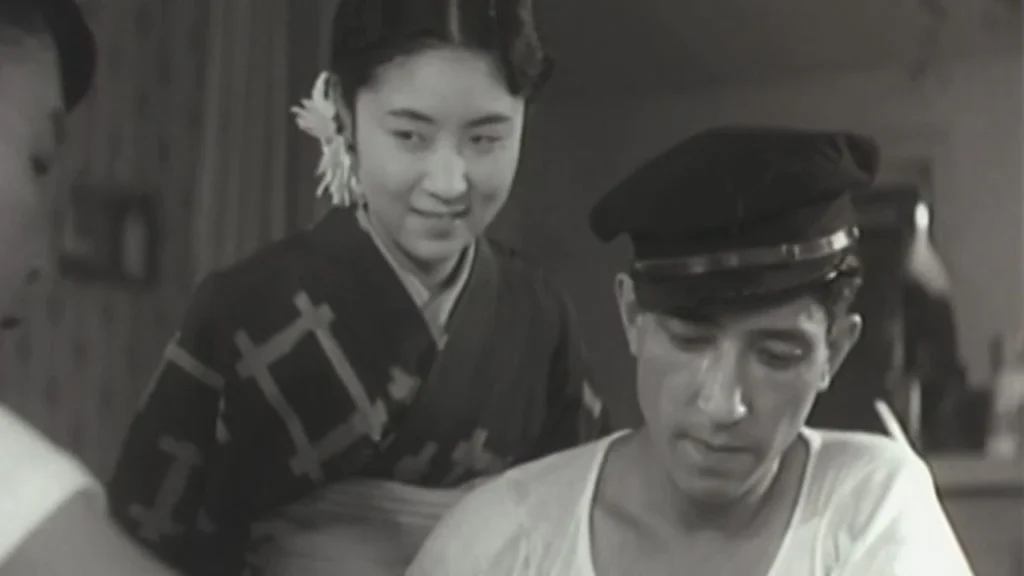
Overall, ‘Where Now are the Dreams of Youth?’ is a must-watch gem of the silent era whose heartwarming insight into growth and changing relationships is still felt by audiences 90 years on. The inclusion of this film at Slapstick Festival 2026 was a wonderful insight into the diversity of the Slapstick genre and opened up a world of Ozu’s filmmaking to Watershed’s audience.
