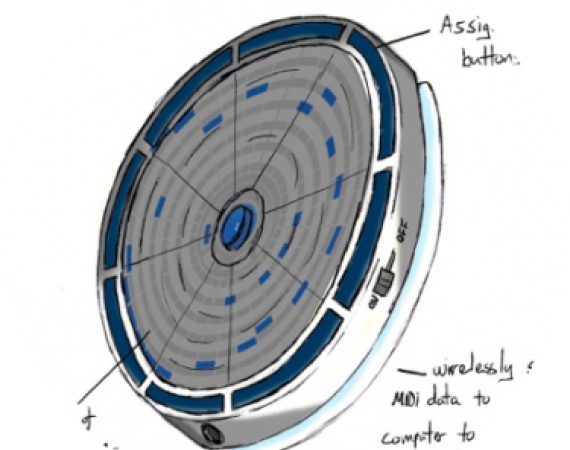

Chromo
Chromo is an experimental design research project: At its heart, it asks if digital fabrication technologies have a role in re-democratising and propagating sustainable energy use.
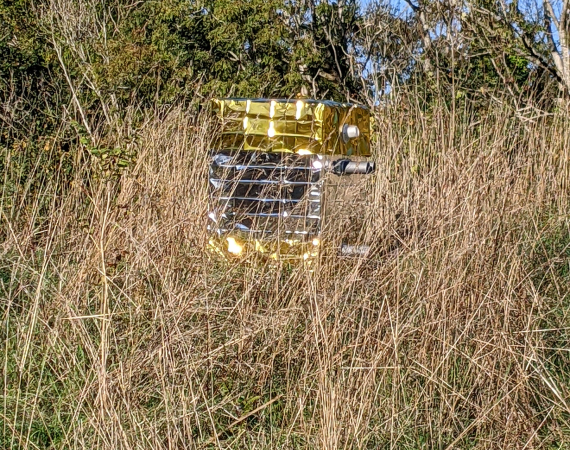
Chromo
Made by

Ade Armstrong
Bristol-based visual Artist and Designer. Much of Ade’s creative practice emerges from his interest in the interplay between natural and man-made systems.The urgency for low-cost, decentralised and green energy is well-known. Change is promised, but the wait for solutions to arrive becomes increasingly tense as the climate emergency grows.
Might an alternative model exist, that creatively empowers individuals and communities to shift from being passive energy consumers into active “prosumers”? Can popular technologies we already have at our disposal be mobilised to the call?
World-wide, access to community-based digital fabrication facilities - such as 3D printers - is growing. Digital fabrication has the potential to disrupt conventional pathways of manufacture, enabling customised objects to be independently and locally produced. We have seen how global events can impact systems which rely on transport of goods across borders: Digital production offers a means of overcoming these issues. It also offers opportunities to drive design towards use of circular, sustainable materials.
Chromo involves design of a working prototype solar thermal energy system, utilising 3D printed components alongside readily-available proprietary parts. However, the project is wider than this: It looks to stir a sense of the possibility of control at the level of the individual, and spark conversation about whether sustainable energy solutions might be closer to hand than we have so far believed: How is the idea of taking creative control of sustainable energy solutions received? Is Chromo feasible, desirable, wanted? The project aims to explore individual and collective responses to these questions, and reflect on how they might shape the design outcome.